Homeowners in Southwest Washington and Northwest Oregon often want cleaner, safer water. A reverse osmosis drinking system provides purified water for cooking and drinking, while a whole-house filter treats all water entering your home. Each system plays a different role, and understanding the differences helps you make confident choices. Whether you’re tackling iron, chlorine taste, PFAS, or sulfur odors, the best solution depends on your home’s water quality.
Under-sink RO systems focus on the water you drink and cook with, removing lead, fluoride, and other dissolved solids for crisp, refreshing water. Whole-house systems treat water at the point of entry, improving bathing, laundry, and cleaning by reducing chlorine, sediment, and odors. Together, they can provide complete protection and comfort.
Every home’s water is unique, so there’s no one-size-fits-all solution. Some households benefit from a combination of systems. A professionally installed water purification system can be tailored to your area’s needs. Start with a water test and discuss results with a local expert to ensure the right setup.
Reverse Osmosis Systems: Small But Powerful
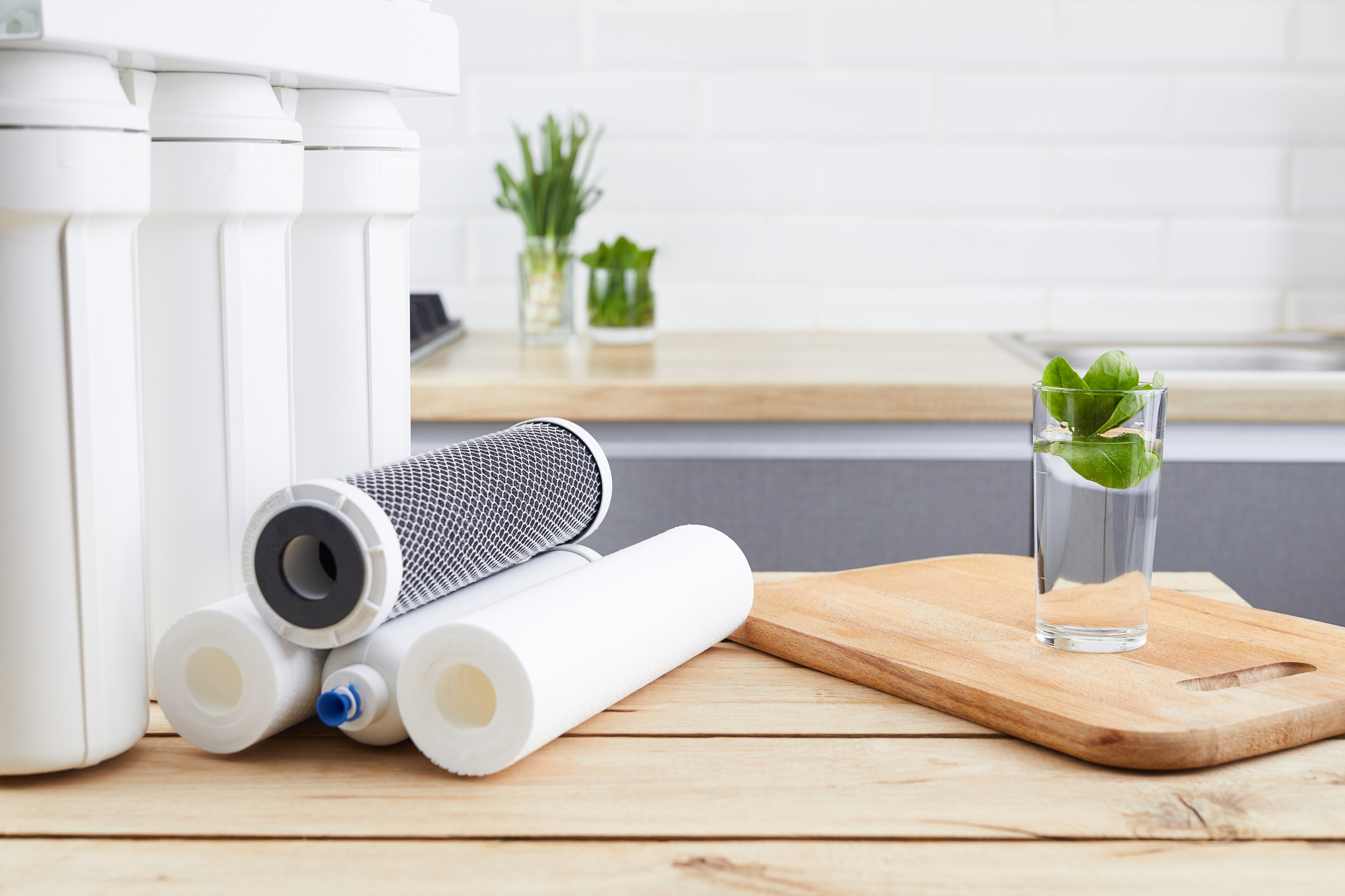
A reverse osmosis drinking system is one of the most effective point-of-use options. Installed under the kitchen sink, it pushes water through a semi-permeable membrane to remove impurities, leaving crisp, great-tasting water.
RO systems can remove up to 99.995% of common contaminants like lead, fluoride, nitrates, and trace pharmaceuticals—offering bottled-quality water without the waste. While RO systems don’t treat all water in the home, they ensure that what you drink and cook with meets high purity standards.
Many ask, does RO remove iron? It handles small amounts of dissolved iron, but noticeable rust or metallic taste requires pre-filtration. Too much iron can clog membranes, so treating iron first with a dedicated filter helps the RO system last longer and perform better.
RO systems offer peace of mind, improving taste and reducing exposure to harmful contaminants. A professional can test your water and design a system that meets your needs and budget.
Whole House Filtration: Broad Coverage for Whole-Home Benefits
A whole-house water filter treats water at the main line, improving showers, laundry, dishwashing, and cleaning. It also protects plumbing and appliances from sediment or chlorine buildup.
Whole-house filters address common issues in city and well water, including chlorine, sediment, and odors like sulfur. Advanced systems can target emerging contaminants like PFAS, ensuring safer water throughout the home.
While whole-house systems improve overall water quality, they may not remove dissolved solids or fluoride as effectively as RO systems. Many homeowners combine both—a whole-house filter for general use and an RO system at the kitchen sink for drinking water—balancing taste and protection.
Consulting a professional ensures your system is customized to your home’s water profile, maximizing comfort, efficiency, and confidence in every drop.
Interesting Facts About Reverse Osmosis and Whole House Water Filters
- A reverse osmosis system works at a single tap and removes up to 99.995% of dissolved solids.
- RO handles small amounts of iron, but pre-filtration may be needed for higher levels.
- A whole-house filter treats all water entering the home, reducing chlorine, sediment, and odors.
- Some homes may notice a sulfur smell, which specific filters can address.
- Advanced whole-house systems can reduce PFAS contaminants.
- Well water should be tested periodically for proper filtration selection.
- Smart water systems allow leak detection and filter monitoring from your phone.
- Homes with hard water benefit from softeners or sodium-free alternatives to protect appliances.
- RO combined with whole-house filters can address naturally occurring arsenic.
- Professional guidance ensures systems meet unique home water profiles.
Key Differences: Comparing Performance & Purpose
RO systems focus on drinking and cooking water, while whole-house filters treat all water entering your home. RO removes dissolved solids and contaminants at a dedicated tap. Whole-house systems improve overall water quality, reducing chlorine, sediment, and odors—but may not provide drinking-grade purification. Professional water testing ensures the right combination for your home.
When to Choose RO, Whole House, or Both
Municipal water users often benefit from a whole-house filter to reduce chlorine and improve taste at all taps, with an RO system for drinking and cooking. Well water users may need both to address minerals, sediment, or bacteria. RO systems are essential for dissolved contaminants like arsenic, while whole-house systems improve shower and laundry quality. Consulting a professional ensures the setup meets your home’s unique needs.
Common Myths About Water Filtration
No single system solves every water issue. RO systems purify drinking water but don’t treat all water, while whole-house filters improve general quality but don’t remove all dissolved contaminants. Hardness requires specialized systems like water softeners or sodium-free alternatives. Each system has a role, and professionals can design a plan that fits your household.
Smart Integration for Modern Living
Smart water systems, like Drop Smart Home, let you monitor flow, detect leaks, and manage filtration remotely. Pairing these tools with RO or whole-house systems improves both water quality and home efficiency, giving peace of mind and control.
Finding Balance Between Purity and Whole-Home Protection
RO systems deliver high-purity water at the tap, while whole-house filters protect plumbing and improve bathing and cleaning. Combining both provides balance and comfort. City water may need chlorine and sediment removal, while well water may require iron or mineral treatment before RO. Local reviews, like customer experiences, can guide your decision.
When ready, request service to explore options. United Water Services technicians evaluate water, discuss goals, and design a plan that ensures reliable, great-tasting water for your home.
Final Thoughts: Customize Your Water Treatment for Confidence and Comfort
Clean, great-tasting water enhances everyday life. Choosing RO, whole-house, or both depends on your water quality and household needs. Professional testing and installation ensure systems address your home’s unique profile. United Water Services provides expert guidance to help you enjoy safe, efficient water with minimal maintenance. Contact them to schedule a consultation, water test, or RO evaluation and take control of your water quality today.