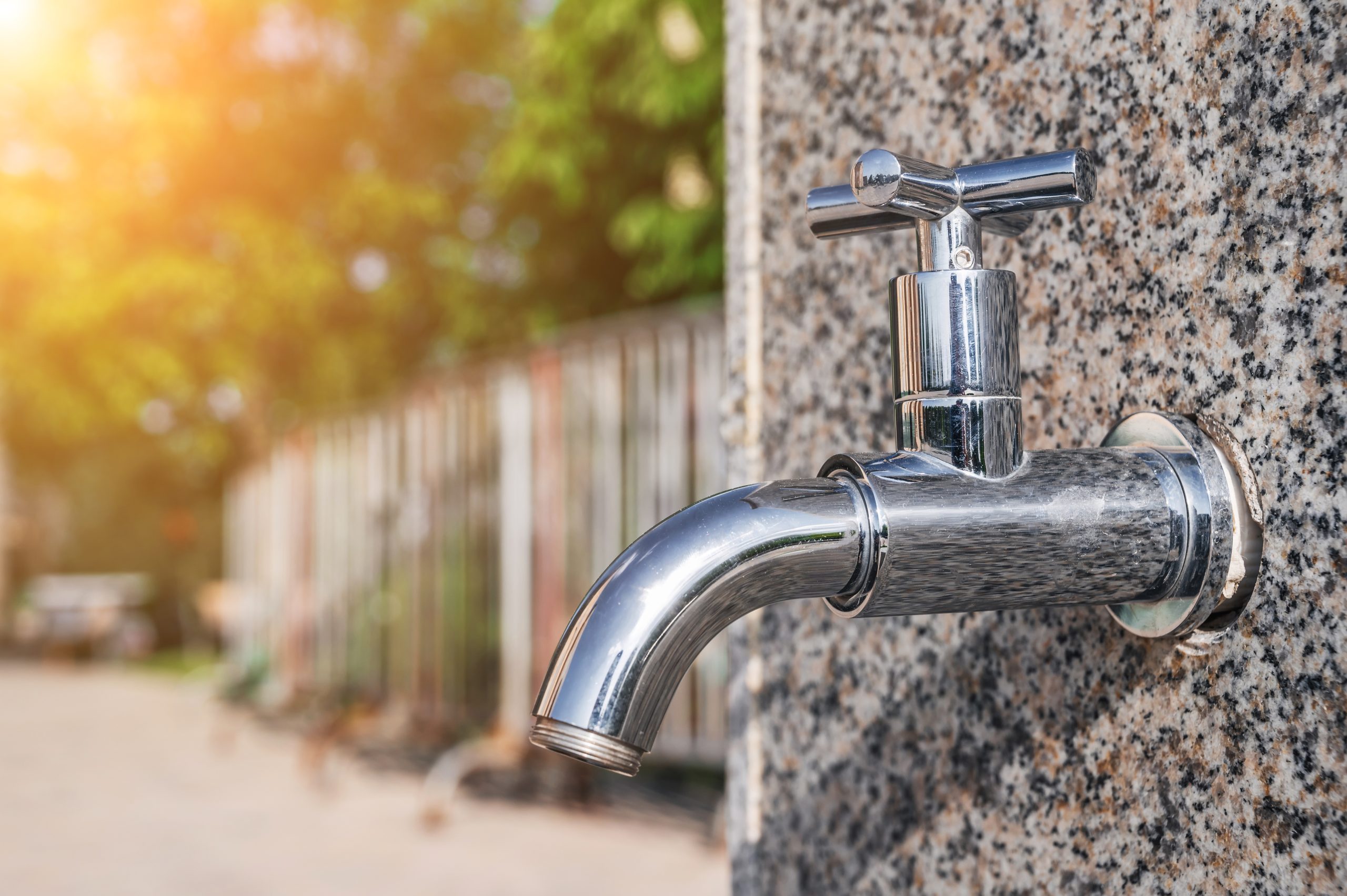
Routine outdoor faucet maintenance and irrigation system care can help prevent leaks, wasted water, low pressure, foundation moisture, and costly summer plumbing repairs. Inspect hose bibs, supply lines, sprinkler heads, valves, and irrigation schedules throughout the season. Address dripping fixtures, damaged components, or unexplained wet areas before a small problem becomes more serious.
Outdoor faucet maintenance is easy to overlook until a hose bib begins dripping, a sprinkler line breaks, or an unexplained wet spot appears in the yard. During summer, outdoor plumbing often works harder as homeowners water lawns, maintain gardens, wash vehicles, fill pools, and complete outdoor projects.
That extra use can reveal damage caused by age, winter weather, mineral buildup, worn seals, loose fittings, and underground line problems. Even a slow leak can waste water, increase utility costs, and allow moisture to collect near siding, foundations, crawl spaces, or landscaping.
A preventative summer plumbing routine can help homeowners catch problems early. By inspecting outdoor faucets and irrigation equipment, adjusting watering schedules, and knowing when to request professional service, you can protect your plumbing while keeping outdoor spaces healthy throughout the warmer months.
Quick Facts About Outdoor Plumbing
Why Is Outdoor Faucet Maintenance Important?
Outdoor faucet maintenance helps prevent leaks, water damage, wasted water, and sudden fixture failure during periods of heavy summer use.
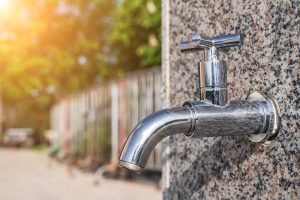
Outdoor faucets, also called hose bibs or spigots, are exposed to weather and frequent handling. Hoses may pull on the fixture, fittings can loosen, washers wear down, and mineral deposits may affect water flow. If the faucet was damaged during colder weather, the problem may not become obvious until it is used regularly in spring or summer.
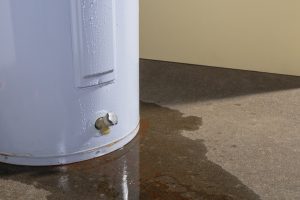
A leaking hose bib can send water down an exterior wall or into the area around a foundation. In some homes, damage behind the fixture can also allow water to enter a crawl space or wall cavity. Moisture may remain hidden until staining, mold growth, wood damage, or higher water bills reveal the problem.
Check each outdoor faucet while the water is both on and off. Watch for dripping from the spout, leaking around the handle, moisture behind the mounting point, or movement where the faucet enters the wall. A fixture that feels loose should be inspected before a hose is attached and placed under pressure.
What Are the Signs of a Damaged Outdoor Faucet?
Common signs of a damaged outdoor faucet include dripping, low pressure, handle leaks, rust, loose mounting, unusual noises, and moisture inside or outside the home.
A faucet that continues dripping after it has been shut off may have a worn washer, seal, cartridge, or valve component. In some cases, the fixture can be repaired. Older, corroded, or freeze-damaged faucets may need replacement.
Low pressure at one outdoor faucet may result from mineral buildup, a clogged vacuum breaker, a damaged valve, or a kinked hose. Low pressure throughout the property could point to a broader plumbing or supply issue.
Rust and corrosion should also be taken seriously. Surface discoloration does not always mean the fixture has failed, but severe corrosion can weaken connections and make future repairs more difficult. Orange staining around faucets may also indicate iron in the water rather than corrosion alone.
Homeowners who notice staining, hardness deposits, or recurring mineral buildup may benefit from professional water testing in addition to faucet repair. United Water Services provides water treatment services in Vancouver, WA that can help identify water quality issues affecting plumbing fixtures and household equipment.
How Should You Care for an Irrigation System During Summer?
Proper irrigation system care includes inspecting sprinkler heads, testing each zone, checking valves, adjusting watering times, and repairing leaks promptly.
Run the irrigation system one zone at a time and watch how each section performs. Look for sprinkler heads that do not rise, rotate, or spray correctly. Clogged nozzles can create dry areas, while damaged or tilted heads may send water onto sidewalks, driveways, fences, or the side of the house.
Check for bubbling water, pooling, unusually green grass, muddy soil, or erosion near sprinkler lines. These symptoms may indicate an underground leak, damaged fitting, or broken sprinkler body. A hidden irrigation leak can continue wasting water every time the system runs.
Valves and control boxes also deserve attention. Make sure wires are intact, boxes are not filled with standing water, and valves open and close correctly. A valve that does not fully close may allow water to seep through sprinkler heads even when the system is off.
Review the controller schedule as weather changes. A watering program that worked in early spring may provide too much or too little water during hotter periods. Adjust schedules based on rainfall, soil conditions, plant needs, and local watering rules rather than running the same program all season.
How Can You Find a Hidden Irrigation Leak?
You may have a hidden irrigation leak if you notice unexplained wet areas, higher water bills, reduced sprinkler pressure, soil erosion, or water movement when fixtures are off.
Start by turning off indoor fixtures and water-using appliances. Check the water meter, wait without using water, and check it again. Movement may indicate a leak somewhere on the property, although a plumber may be needed to determine whether the problem is indoors, outdoors, or within the irrigation system.
Next, operate each irrigation zone individually. Compare water pressure and sprinkler performance across the system. One weak zone may have a broken pipe, damaged valve, blocked head, or supply problem.
Walk the property while the system runs. Pay close attention to areas near valve boxes, sprinkler heads, slopes, driveways, and recent landscaping work. Underground lines can be damaged by digging, tree roots, vehicles, soil movement, or normal material wear.
Should Garden Hoses Be Disconnected After Every Use?
Disconnecting hoses when they are not needed can reduce strain on outdoor faucets and make leaks easier to notice.
A hose left attached keeps weight and pressure on the faucet connection. If the hose nozzle remains closed while the faucet is open, the hose and fittings stay pressurized. Weak hoses can burst, and loose fittings can leak while no one is nearby.
After watering, shut off the faucet completely, release pressure from the hose, and disconnect it when practical. Coil the hose without sharp bends and store it away from vehicle traffic, mower blades, and direct conditions that may cause premature cracking.
Inspect washers inside hose fittings and replace them when they become flattened, cracked, or missing. A simple washer can often stop water from spraying at the connection between the hose and faucet.
Can Hard Water Affect Outdoor Faucets and Irrigation Equipment?
Hard water can leave mineral deposits on faucets, hose fittings, nozzles, valves, and irrigation components, potentially restricting flow and affecting performance.
White or chalky buildup around outdoor fixtures often contains calcium and magnesium minerals. Deposits can make handles difficult to turn, clog small openings, and interfere with spray patterns. Mineral scale may also develop inside valves and irrigation components where it is harder to see.
Do not use harsh chemicals or sharp tools that could damage a fixture. Light exterior deposits may be cleaned using a method approved for the faucet material, but recurring buildup may indicate a broader hard water problem.
A properly selected water softener for a Vancouver-area home may help reduce hardness minerals throughout the plumbing system. Professional testing is necessary to confirm hardness and determine whether softening is appropriate for the property.
What Summer Plumbing Problems Require Professional Service?
Professional service is recommended for leaking pipes, damaged hose bibs, underground irrigation leaks, severe corrosion, unexplained pressure loss, and moisture entering the home.
Some maintenance tasks are suitable for homeowners, such as inspecting hoses, cleaning accessible sprinkler heads, and adjusting controller schedules. Problems involving concealed piping, wall connections, shutoff valves, backflow devices, or underground supply lines should be evaluated by a qualified professional.
A plumber can determine whether a leaking outdoor faucet needs a minor repair, complete fixture replacement, or work on the pipe behind it. Professional diagnosis is particularly important when water appears inside a wall, basement, garage, or crawl space.
Schedule service promptly if the outdoor fixture cannot be shut off completely. Turning a damaged handle with excessive force may break the fixture or make the leak worse. Know the location of the property’s main water shutoff so you can respond if a faucet or supply line fails suddenly.
Homeowners can request water service from United Water Services when outdoor plumbing, water quality, or treatment equipment needs professional evaluation.
Local Outdoor Plumbing Care in Vancouver, WA and Clark County
Outdoor plumbing in Vancouver, Camas, Washougal, Battle Ground, Ridgefield, and surrounding Clark County communities must handle seasonal rainfall, cooler winters, summer irrigation, and changing household water demands.
A faucet weakened by cold weather may begin leaking once summer use increases. Irrigation components can also shift, clog, or crack after months of limited operation. Checking the system early in the season allows homeowners to address problems before lawns and gardens depend on frequent watering.
Local properties vary significantly. Some homes use municipal water, while others rely on private wells. Water pressure, hardness, iron, sediment, plumbing age, and irrigation design can all influence the type of maintenance or repair required.
United Water Services helps homeowners understand the connection between water quality and plumbing performance. Local service and water testing can help determine whether mineral deposits, pressure changes, equipment wear, or another issue is contributing to outdoor plumbing problems.
For scheduling help, homeowners can contact United Water Services to discuss outdoor faucet concerns, irrigation-related water issues, or preventative summer service.
Outdoor Faucet Maintenance FAQs
Why does my outdoor faucet keep dripping?
How often should I inspect my irrigation system?
What causes low pressure at an outdoor faucet?
How do I know if my irrigation system is leaking underground?
Can I replace an outdoor faucet myself?
Can outdoor leaks increase my water bill?
Protect Your Outdoor Plumbing This Summer
Outdoor faucet maintenance and irrigation system care can prevent many common summer plumbing problems. Inspect each hose bib, test irrigation zones, repair damaged sprinkler heads, check for unexplained moisture, and adjust watering schedules as conditions change.
Do not ignore small leaks or pressure changes. A dripping fixture, damp wall, weak sprinkler zone, or soggy section of lawn may be the first sign of a problem that will become more expensive over time.
United Water Services helps homeowners throughout Vancouver and Clark County evaluate outdoor plumbing concerns, water quality issues, and treatment needs. Professional service can help identify the cause, protect your property, and keep your water systems operating reliably throughout summer.