| Key Takeaway:
Low pH in well water, common in regions like Washington and Oregon, can cause corrosion in plumbing and appliances due to acidity. To raise the pH levels, homeowners can use neutralizing filters or chemical feed pumps, which add minerals or inject solutions to balance the water’s acidity. Accurate testing, preferably by professional services, is crucial to determining the best treatment method for effectively managing acidic well water. |
Understanding Low pH in Well Water
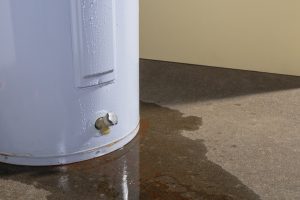
Low pH in well water means the water is more acidic than neutral. This condition is common in many well water systems, particularly in regions like Washington and Oregon. Acidic water can cause various issues in homes, affecting plumbing and appliances. When water has a low pH, it can lead to corrosion of pipes and fixtures, resulting in costly repairs and replacements.
Several factors contribute to low pH levels in well water. One primary cause is mineral leaching, where minerals from the soil dissolve into the water, lowering its pH. Environmental factors, such as acid rain, can also impact the acidity of well water. These elements can significantly alter the water’s composition, making it more acidic over time.
The consequences of acidic water extend beyond plumbing issues. It can lead to the deterioration of household appliances that use water, reducing their efficiency and lifespan. To address these symptoms of low pH water, homeowners can explore various solutions. Understanding these symptoms and their impact is crucial for maintaining a safe and efficient home environment. For more information on how to recognize and address these symptoms, consider exploring additional resources.
Testing Your Well Water’s pH Level
Testing the pH level of your well water is an essential step in managing its quality. Various methods can help determine the acidity of your water, from simple DIY kits to professional testing services. DIY kits are a convenient option for a quick assessment, but they may not provide the most accurate results.
Accurate testing is vital for effective treatment of low pH in well water. Professional services can offer a comprehensive analysis of your water’s condition. These services not only test for pH levels but also identify other potential contaminants that might affect your water quality. Knowing the precise pH level helps in selecting the most appropriate treatment method to raise the pH effectively.
For those seeking reliable testing options, professional services are highly recommended. They ensure that you have all the information needed to make informed decisions about your water treatment needs. If you’re considering professional testing, you might want to request a service from experts who can provide detailed insights into your well water’s condition.
Solutions for Raising pH Levels
Raising the pH levels in well water involves several methods that can effectively neutralize its acidity. One popular approach is using neutralizing filters, which add minerals like calcium carbonate to the water, balancing its pH. These filters are typically installed at the point where water enters the home, ensuring that all household water is treated.
Chemical feed pumps offer another solution for increasing pH levels. These pumps inject a neutralizing solution directly into the water supply, adjusting the pH as needed. This method allows for precise control over the water’s acidity and is suitable for homes with varying water usage patterns.
Whole-house filtration systems play a significant role in managing overall water quality, including pH levels. These systems combine various treatment methods to address multiple issues in well water, providing comprehensive protection for your home. If you’re interested in exploring whole-house solutions, consider learning more about whole-house water treatments that can enhance your home’s water quality.
Facts About Low pH in Well Water
|
The Role of Commercial Water Treatment Systems
Commercial water treatment systems play a vital role in balancing water pH, particularly for larger properties or businesses. These systems offer robust solutions that can handle higher water volumes and more complex water quality issues. They are designed to efficiently address the challenges posed by acidic well water in Washington and Oregon, ensuring that the water remains safe and suitable for various uses.
Examples of suitable systems include large-scale neutralizing tanks and advanced filtration units. These systems can significantly improve water quality by addressing contaminants and stabilizing pH levels. Businesses benefit from these solutions through reduced maintenance costs and the prolonged lifespan of plumbing infrastructure.
Moreover, commercial systems are customizable to meet specific needs, making them an excellent choice for properties with unique water challenges. By investing in a commercial-grade system, businesses can ensure consistent water quality, which is essential for operations that rely heavily on water.
The Impact of Hard Water on pH Balance
Hard water can influence pH balance, potentially complicating efforts to maintain optimal water quality. While hard water itself doesn’t directly affect pH, it can impact the efficiency of water treatment systems. For instance, water softeners may struggle to function effectively if the pH is too low, leading to inefficiencies in treating hardness.
Understanding the distinction between hardness and acidity is crucial when considering water treatment solutions. Hardness refers to the concentration of calcium and magnesium ions, while acidity relates to the pH level. Both factors require different approaches for treatment, and addressing one without considering the other may lead to suboptimal results.
Combining water softeners with pH correction systems can offer a comprehensive solution, ensuring that both hardness and acidity are managed effectively. This approach helps maintain the efficiency of appliances and extends their lifespan, providing a balanced solution for homeowners.
Advantages of Sodium-Free Scale Prevention
Sodium-free scale prevention systems offer a beneficial alternative when correcting pH levels in well water. These systems operate by using technology that alters the structure of minerals in the water, preventing scale buildup without adding sodium or affecting pH levels. This method is particularly advantageous for those looking to maintain a balanced pH while addressing scale issues.
One of the key benefits of sodium-free systems is their ability to reduce scale without introducing additional chemicals into the water supply. This makes them an environmentally friendly option that aligns with sustainable practices. Additionally, these systems require minimal maintenance, offering a hassle-free solution for homeowners.
By integrating sodium-free scale prevention with other treatments, such as pH correction, homeowners can achieve comprehensive water quality management. This approach ensures that all aspects of water quality are addressed effectively, promoting the longevity and efficiency of household appliances.
FAQs on Acidic Well Water
Why is my well water acidic?
Acidic water can result from the presence of natural minerals and environmental factors that affect groundwater. These factors are common in regions like Washington and Oregon, where mineral-rich soils contribute to lower pH levels.
Can acidic water damage my plumbing?
Yes, over time, acidic water may corrode pipes and fixtures, leading to costly repairs. Addressing pH levels can help prevent such damage and prolong the lifespan of plumbing systems.
How often should I test my well water’s pH?
Regular testing is recommended annually and whenever there are changes in taste, odor, or clarity. Consistent monitoring helps ensure that any fluctuations in pH are detected early.
Are there home remedies for raising pH?
Although some DIY methods exist, professional solutions ensure more reliable results. Consulting with experts can provide tailored advice for effective pH correction.
Does treating pH affect water taste?
Properly treated water may have a more neutral taste. Addressing pH levels not only improves water quality but also enhances its overall palatability.
For more information on common questions about water treatment, visit our FAQ page.
Why is my well water acidic?
Can acidic water damage my plumbing?
How often should I test my well water’s pH?
Are there home remedies for raising pH?
Does treating pH affect water taste?
Ensuring Home and Appliance Longevity
Maintaining the pH balance in your well water is key to protecting your home and extending the life of your appliances. Water with low pH levels can cause corrosion in pipes and fixtures, leading to costly repairs and replacements. By addressing the acidity in your water, you not only safeguard your plumbing but also improve the performance and lifespan of appliances like dishwashers and washing machines. Properly balanced water supports the efficient functioning of these devices, potentially reducing energy costs and maintenance needs.
Considering the varied nature of well water, it’s crucial to approach pH correction with a tailored strategy. Each well has unique characteristics, influenced by local geology and environmental conditions. This means a one-size-fits-all solution won’t suffice. Instead, a comprehensive evaluation of your water’s composition is necessary to determine the most effective treatment method. Whether through neutralizing filters, chemical feed pumps, or a combination of solutions, the goal is to achieve and maintain the optimal pH level for your specific situation. Consulting with professionals ensures that you receive expert advice and solutions tailored to your specific water treatment needs.
Next Steps in Addressing Your Water
Addressing low pH in well water is essential for preserving the integrity of your home and enhancing the efficiency of your appliances. Taking proactive measures to balance your water’s pH can prevent corrosion, reduce repair costs, and ensure appliances function at their best. By seeking a professional assessment, you can explore a range of treatment options tailored to your unique water conditions. The peace of mind that comes with reliable, quality water treatment solutions cannot be overstated.
Don’t leave your water quality to chance. Request a pH balance water test to start your journey toward healthier, balanced water in your home. Discover the benefits of professional guidance and find the right solution for your water treatment needs today.