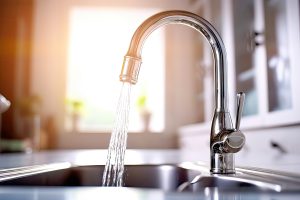
Low pH in well water can lead to pipe corrosion, blue-green staining, metallic taste, and long-term plumbing damage. Proper testing and treatment with neutralizing systems can help protect your home, improve water quality, and extend the lifespan of plumbing and appliances.
Many Pacific Northwest homeowners rely on private wells for daily water use, but naturally acidic groundwater conditions can create serious water quality concerns. One of the most common issues is low pH in well water, which may slowly damage plumbing systems and affect household water quality over time.
Acidic well water often develops because of regional soil conditions, groundwater composition, and rainfall patterns common throughout the Pacific Northwest. While the problem may seem minor at first, untreated low pH water can gradually corrode pipes, damage appliances, and create expensive plumbing issues.
Understanding the warning signs and available treatment options helps homeowners take proactive steps before long-term damage occurs.
What Causes Low pH in Well Water?
Low pH water becomes acidic when groundwater absorbs naturally occurring minerals, organic compounds, or environmental acids that lower alkalinity levels.
In the Pacific Northwest, acidic rainfall, granite-based geology, and groundwater movement through mineral-deficient soils can all contribute to well water acidity. These regional conditions often create naturally corrosive water supplies for homeowners using private wells.
Water with a pH below 7 is considered acidic, and lower readings generally increase the risk of plumbing corrosion and metal leaching.
Many homeowners begin by scheduling professional water testing services to identify pH levels and evaluate additional water quality concerns.
What Are the Signs of Acidic Well Water?
Acidic well water often produces noticeable symptoms throughout the home. One of the most recognizable warning signs is blue-green staining around sinks, tubs, showers, and fixtures caused by copper pipe corrosion.
Additional symptoms may include:
- Metallic taste in drinking water
- Pinhole leaks in copper pipes
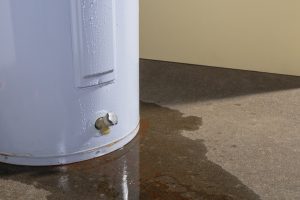
- Premature water heater wear
- Rust-colored stains
- Low water pressure from pipe corrosion
- Appliance efficiency problems
These issues may worsen gradually over time, especially if acidic water remains untreated for years.
Homeowners experiencing these symptoms often explore well water treatment solutions to prevent additional plumbing damage and improve water quality.
- Blue-green staining on fixtures
- Corrosion around plumbing joints
- Metallic water taste
- Pinhole leaks in copper piping
- Shortened appliance lifespan
- Visible scale or sediment buildup
Why Is Low pH Dangerous for Plumbing?
Acidic water slowly eats away at plumbing materials, especially copper piping and metal fixtures. Over time, corrosion weakens pipes and may eventually create leaks behind walls, beneath floors, or inside foundations.
Low pH water can also damage:
- Water heaters
- Dishwashers
- Washing machines
- Boilers
- Faucets and valves
- Water filtration equipment
As corrosion progresses, homeowners may experience increasing repair costs, appliance failure, and water quality concerns caused by dissolved metals entering the water supply.
Protecting plumbing systems early helps reduce the risk of expensive repairs later.
How Do You Treat Low pH in Well Water?
The most common solution for acidic well water is installing a neutralizing treatment system that raises pH levels before water enters the home’s plumbing system.
Neutralizing systems often use calcite or magnesium oxide media to safely increase alkalinity and reduce water corrosiveness. As water flows through the system, acidic conditions are balanced to create safer, less corrosive water.
Some homes may also require additional filtration depending on the presence of sediment, iron, sulfur, or other contaminants commonly found in well water.
Many homeowners combine pH correction systems with whole-house water filtration to improve overall water quality throughout the home.
What Is a Neutralizing Water Filter?
A neutralizing filter is a point-of-entry treatment system designed to raise water pH before it reaches household plumbing.
These systems commonly contain calcite media that dissolves gradually into the water supply to neutralize acidity. In some cases, blended media may be used to achieve greater pH correction depending on water chemistry.
Neutralizing systems are especially effective for homeowners experiencing mild to moderate acidity issues in private well water systems.
Professional sizing and installation help ensure the system is properly matched to household water usage and pH conditions.
The EPA Private Wells resource recommends regular well water testing to identify contaminants and water chemistry issues that may affect household plumbing and water quality.
How Often Should Well Water Be Tested?
Most homeowners should test well water at least once per year, especially if they rely on private groundwater systems in regions prone to acidity issues.
Additional testing may be recommended if homeowners notice:
- Changes in water taste or odor
- New staining around fixtures
- Plumbing leaks
- Changes in water clarity
- Appliance performance problems
Routine testing helps identify developing issues early while ensuring treatment systems continue operating effectively.
Low pH Well Water FAQs
What pH level is considered acidic?
Can acidic water damage plumbing?
Why does acidic water leave blue-green stains?
How do neutralizing filters work?
How often should well water be tested?
Protect Your Home From Acidic Well Water
Low pH in well water may seem like a small issue initially, but untreated acidic water can create major plumbing and appliance problems over time. Early testing and treatment help protect your home’s infrastructure while improving long-term water quality.
By identifying acidity issues early and installing properly sized treatment systems, homeowners can reduce corrosion risks, improve appliance efficiency, and extend the life of plumbing systems throughout the home.
Request a Free Water Acidity Evaluation
If you suspect your well water may be acidic, professional testing is the best place to start. Understanding your home’s water chemistry allows you to choose the right treatment solution for your specific needs.
Request a free water acidity evaluation today to learn more about protecting your plumbing, improving water quality, and reducing the long-term effects of corrosive well water.