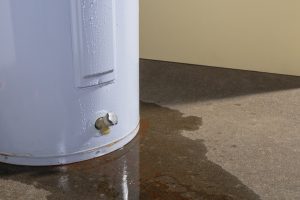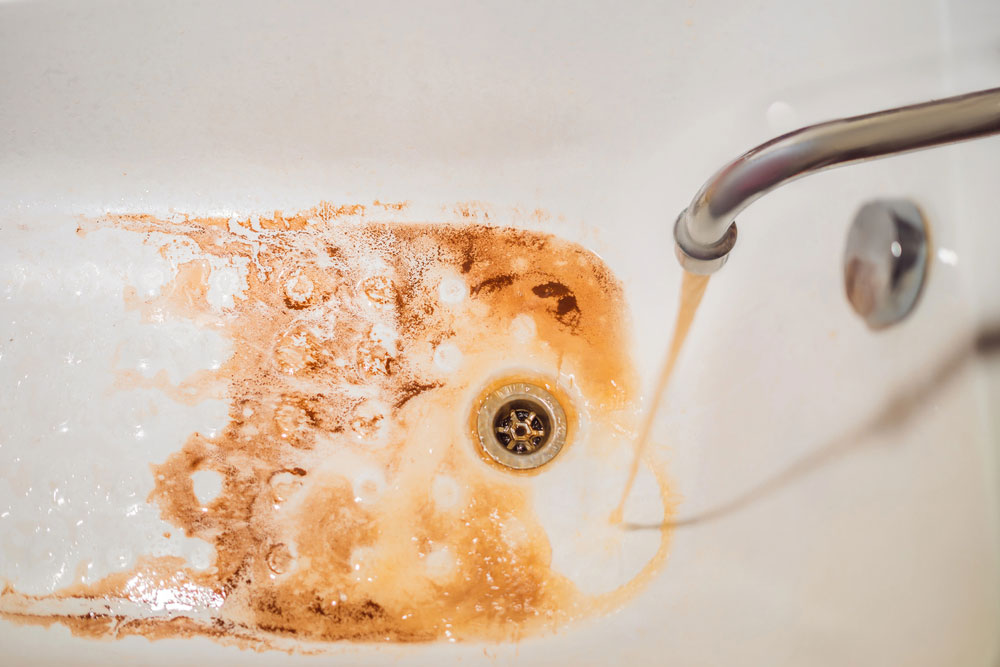
Many homeowners in Oregon face the challenge of iron in their well water. This common issue can lead to various problems, including stained fixtures and reduced efficiency of household appliances. Addressing iron in well water is essential for maintaining a comfortable and efficient home environment. The presence of iron can also make daily chores like laundry and dishwashing more difficult, as it may cause discoloration and impact the effectiveness of soaps and detergents.
Removing iron from well water involves understanding the types of iron present and choosing the right treatment methods. This process is crucial for ensuring that your home systems function smoothly and remain in good condition. In this article, we will explore the differences between ferric and ferrous iron, discuss effective removal methods, and provide insights into tailored solutions for local well water conditions.
For those looking to enhance their water quality, finding the best iron filter for well water can make a significant difference. By understanding the nature of iron in your water and the available solutions, you can take proactive steps to improve your home’s water quality and overall efficiency.
Understanding Iron Types in Well Water
Iron in well water primarily exists in two forms: ferric and ferrous. Ferric iron, often referred to as “red-water” iron, is insoluble and visible to the naked eye. It causes reddish-brown stains on plumbing fixtures and laundry. On the other hand, ferrous iron, known as “clear-water” iron, is soluble and not visible until it oxidizes, turning into ferric iron.
The distinction between ferric vs ferrous iron is important because each type affects water systems differently. Ferric iron can clog pipes and filters, leading to increased maintenance costs. Ferrous iron, while initially invisible, can oxidize and cause similar issues if not treated promptly. Identifying which type of iron is present in your well water helps determine the most effective treatment method.
Proper testing is crucial before selecting a treatment method for your well water. Testing helps identify the specific type and concentration of iron present, guiding you to choose the right solution. For comprehensive testing services, consider reaching out to well water testing professionals who can provide accurate results and recommendations.
Effective Iron Removal Options
Several options exist for removing iron from well water, each catering to different needs and types of iron problems. Oxidizing filters are popular for their ability to convert soluble ferrous iron into insoluble ferric iron, which can then be filtered out. These filters are effective but may require regular maintenance to ensure optimal performance.
Aeration is another method that involves exposing water to air, allowing oxygen to react with ferrous iron and convert it into ferric iron. This method is effective for treating larger volumes of water but may require additional equipment to manage the aeration process efficiently. Chemical oxidation involves adding chemicals like chlorine or potassium permanganate to oxidize ferrous iron. This method can be highly effective but requires careful handling of chemicals and proper disposal of byproducts.
Choosing the best approach depends on the specific characteristics of your well water and your household needs. Consulting with a professional can provide valuable insights into selecting the most suitable method for your situation. For those interested in comprehensive solutions, exploring options like a whole house water filter can offer peace of mind by addressing multiple water quality issues simultaneously.
Interesting Facts About Removing Iron from Well Water in Oregon
|
Tailored Solutions for Local Well Water
Well owners in Oregon face unique challenges when it comes to iron in their water. The region’s geology contributes to varying iron concentrations, requiring tailored solutions to effectively address these issues. Understanding the specific conditions of your local water supply is crucial in selecting the best iron filter for well water that suits your needs.
To combat the iron presence effectively, consider systems designed to handle the specific characteristics of Oregon’s well water. For instance, oxidizing filters can be particularly effective in areas with high levels of ferric iron, while water softeners may assist in managing ferrous iron content. These systems work together to drastically reduce impurities and improve the overall quality of your water.
Consulting with professionals who understand local conditions can help you choose the right well water treatment system. They can provide insights into which solutions will work best given the unique factors affecting your well water, ensuring you have all the information needed to make an informed decision.
Importance of Regular Water Testing
Regular water testing plays a vital role in maintaining the quality of your well water. By monitoring iron levels and overall water quality, homeowners can address issues before they lead to significant problems. Timely detection of iron presence can prevent damage to plumbing systems and household appliances, saving time and money in the long run.
Testing not only helps in identifying the type of iron present—whether ferric or ferrous—but also provides a comprehensive view of other potential contaminants. This knowledge allows for precise adjustments to your water treatment system, ensuring optimal performance and efficiency.
For those looking to maintain their water systems effectively, visiting resources like Water Symptoms Solutions can offer valuable guidance on interpreting test results and choosing appropriate actions. Regular testing ensures that your water remains safe and enjoyable for everyday use.
The Role of Water Softeners in Iron Management
Water softeners can play an important role in managing iron content, particularly when dealing with ferrous iron. These systems work by exchanging ions, which helps in reducing the concentration of dissolved iron in your water supply. This process can enhance the efficiency of your overall water treatment system.
While water softeners are effective for ferrous iron, they may not be as successful with ferric iron. It’s essential to understand these limitations when considering a softener as part of your solution. Combining a softener with other filtration methods can provide a more comprehensive approach to managing iron levels.
For more information on how water softeners can fit into your iron management strategy, explore options like the Water Softener Vancouver WA. Consulting with experts ensures you have a tailored solution that meets your specific needs.
Consulting with Professionals for Optimal Results
Working with water treatment professionals can greatly enhance the effectiveness of your efforts to manage iron in well water. Experts offer personalized advice and installation services that cater to your home’s unique requirements. Their experience and knowledge ensure that you receive a solution tailored to your specific situation.
Professionals can help identify the best iron filter for well water based on detailed analysis and testing results. This approach not only addresses current issues but also anticipates future challenges, providing long-term peace of mind for homeowners.
If you’re seeking expert guidance, request a free consultation. Engaging with professionals ensures you have all the information needed to make informed decisions about your water treatment system, leading to optimal results and improved water quality.
FAQs About Iron in Well Water
How do I know if my well water has iron issues?
Can iron affect water taste and smell?
What maintenance does an iron filter require?
Are there any health risks associated with iron in drinking water?
How do I choose the best iron filter for my well water?
Can water softeners help with iron management?
Mastering Iron Removal in Oregon Homes
Addressing iron in well water remains a priority for many Oregon homeowners. Iron, whether in ferric or ferrous form, infiltrates water supplies, leading to various challenges. Recognizing the type of iron present is essential. Ferric iron, often visible as reddish-brown particles, and ferrous iron, which remains dissolved until exposed to air, affect water systems differently. Proper identification ensures effective treatment, tailored to unique needs.
Exploring diverse iron removal methods uncovers options like oxidizing filters, aeration, and chemical oxidation. Each method offers specific advantages, catering to different water compositions. Consulting with professionals provides guidance, ensuring choices align with specific water conditions and household requirements. This tailored approach not only improves water quality but also enhances the efficiency of household appliances and plumbing systems.
Regular water testing plays a crucial role in this process, highlighting changes in water quality and preventing potential damage. By monitoring iron levels and addressing them promptly, homeowners safeguard their homes and enhance their living environment. Water softeners also contribute by managing ferrous iron levels, though they may not suit all situations. Professional advice ensures the right combination of treatments, optimizing results for each household.
Customer experiences further validate these approaches. Many satisfied homeowners share success stories, emphasizing the positive impact of professional consultations and effective iron removal systems. These testimonials illustrate the transformation possible when tailored solutions are applied to well water challenges.
For those interested in learning more, exploring customer reviews provides valuable insights. These experiences underscore the importance of professional guidance and customized solutions in achieving optimal water quality.
Next Steps in Addressing Your Well Water
Addressing iron in well water is vital for maintaining household efficiency and comfort. By identifying iron types, exploring removal options, and seeking expert advice, Oregon homeowners can significantly improve their water quality. This proactive approach not only protects plumbing and appliances but also enhances the overall living experience.
We invite you to take the first step toward better water quality. Book a free iron test and consultation to discover the best solutions for your home. This opportunity ensures you receive personalized advice and explore suitable options tailored to your specific needs. Reach out today to connect with professionals who are ready to help you achieve cleaner, more efficient water. .