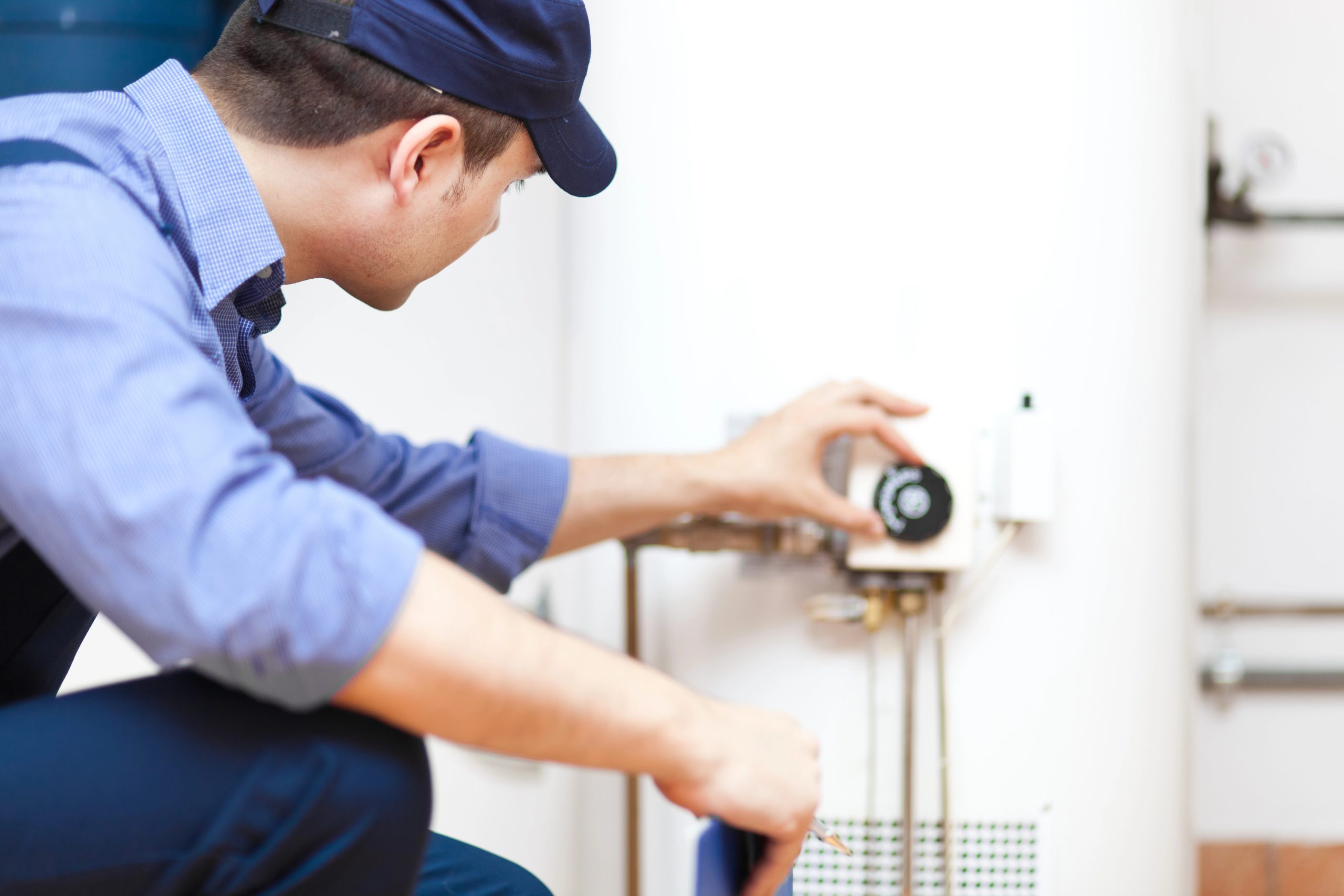
Regular water heater maintenance helps improve efficiency, lower energy costs, reduce the risk of unexpected breakdowns, and extend the lifespan of your system. Spring is one of the best times to flush sediment buildup, inspect components, and prepare your water heater for increased seasonal demand.
Water heater maintenance is one of the most important parts of protecting your plumbing system and improving your home’s energy efficiency. Over time, sediment buildup, worn components, and unnoticed leaks can reduce performance and place additional strain on your system.
Spring is an ideal time to inspect your water heater after heavier winter usage. A seasonal maintenance routine can help improve heating performance, reduce operating costs, and minimize the risk of costly repairs later in the year.
Whether your home uses a traditional tank water heater or a high-efficiency system, proactive maintenance helps ensure reliable hot water throughout every season.
Why Is Water Heater Maintenance Important?
Water heater maintenance is important because it helps your system operate more efficiently while reducing wear on critical components.
As water heaters operate, minerals naturally found in water begin settling at the bottom of the tank. Over time, this sediment layer can reduce heating efficiency and force the system to work harder to produce hot water.
Ignoring maintenance may lead to inconsistent water temperatures, unusual noises, higher utility bills, and premature system failure. Regular inspections help catch smaller problems before they become expensive repairs.
According to the U.S. Department of Energy, proper water heater maintenance can improve efficiency and reduce household energy consumption over time.
What Are Signs Your Water Heater Needs Service?
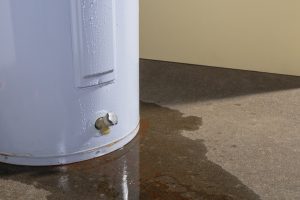
Your water heater may need service if you notice inconsistent water temperatures, unusual noises, leaks, rising utility bills, or rusty hot water.
One of the most common warning signs is a rumbling or popping sound inside the tank. This often happens when hardened sediment traps water beneath the surface as the system heats.
Homeowners should also watch for moisture around the tank, corrosion near plumbing connections, or reduced hot water supply. These issues may indicate worn components or internal tank problems.
Addressing these warning signs early can help prevent larger plumbing issues and avoid unexpected water heater failure.
- Water leaking from the tank
- Rust-colored hot water
- Burning smells near the unit
- No hot water at all
- Pressure relief valve constantly leaking
- Visible corrosion around fittings or pipes
Spring Water Heater Maintenance Checklist
Spring maintenance helps prepare your system for increased demand while improving efficiency after months of heavier winter use.
Following a simple maintenance checklist each year can help extend the lifespan of your water heater and improve long-term reliability.
- Flush sediment from the tank
- Inspect for leaks and corrosion
- Test the pressure relief valve
- Check thermostat settings
- Inspect insulation around pipes and tank
- Listen for unusual operating noises
- Check plumbing connections for wear
- Schedule professional inspection if needed
Flushing the tank is one of the most effective ways to improve efficiency. Removing sediment allows the heating system to operate more effectively while reducing strain on internal components.
Checking the thermostat is another important step. Many homeowners find that setting the temperature around 120 degrees Fahrenheit balances efficiency, comfort, and safety.
How Does Water Heater Maintenance Improve Efficiency?
Water heater maintenance improves efficiency by helping the system heat water more consistently while reducing unnecessary energy usage.
When sediment accumulates inside the tank, the heating element or burner must work harder to transfer heat through the mineral layer. This process increases energy consumption and reduces overall performance.
Routine maintenance allows your water heater to recover faster during periods of heavy usage while reducing wear on the system.
Simple improvements such as flushing the tank, repairing small leaks, and insulating exposed hot water pipes can contribute to noticeable energy savings over time.
- Flush sediment annually
- Lower the thermostat slightly
- Insulate exposed hot water pipes
- Repair small plumbing leaks quickly
- Schedule annual inspections
- Replace aging components before failure
Should Homeowners Perform DIY Water Heater Maintenance?
Homeowners can safely perform certain basic maintenance tasks, but more advanced repairs should always be handled by trained professionals.
Simple inspections, thermostat checks, and basic flushing may be manageable for many homeowners. However, repairs involving gas lines, electrical components, or pressure systems require proper training and safety precautions.
Water heaters operate under high temperatures and pressure, which means improper repairs can create serious safety risks.
Never attempt repairs involving gas connections, electrical wiring, or pressure relief valves unless you are properly trained. Professional inspections help identify issues safely while reducing the risk of costly damage.
For homeowners looking to avoid unexpected breakdowns, scheduling routine professional service is often the safest and most effective approach.
Local Water Heater Considerations in Vancouver, WA
Homeowners throughout Vancouver, WA and surrounding Clark County communities may experience sediment buildup caused by naturally occurring minerals in local water supplies.
Seasonal temperature changes and increased winter hot water usage can also place additional strain on plumbing systems throughout the Pacific Northwest.
Routine maintenance becomes especially important for older homes, aging plumbing systems, and households with higher water usage.
If you want help identifying maintenance concerns before they become larger issues, professional water treatment and plumbing services in Vancouver, WA can help evaluate your system and recommend solutions tailored to your home.
Water Heater Maintenance FAQs
How often should a water heater be maintained?
Is flushing a water heater necessary?
What temperature should a water heater be set to?
Can sediment buildup damage a water heater?
When should I call a professional for water heater service?
Keep Your Water Heater Running Efficiently Year-Round
Regular water heater maintenance helps improve efficiency, reduce energy costs, and extend the lifespan of your system. Addressing small issues early can help homeowners avoid larger repairs and maintain reliable hot water throughout the year.
Spring is one of the best times to flush sediment buildup, inspect system components, and prepare your plumbing system for higher seasonal demand. Whether you perform basic maintenance yourself or schedule professional service, proactive care helps protect your investment over time.
If your water heater is showing signs of reduced performance or you want peace of mind before summer arrives, consider scheduling a professional water heater maintenance inspection to help keep your system operating at its best.